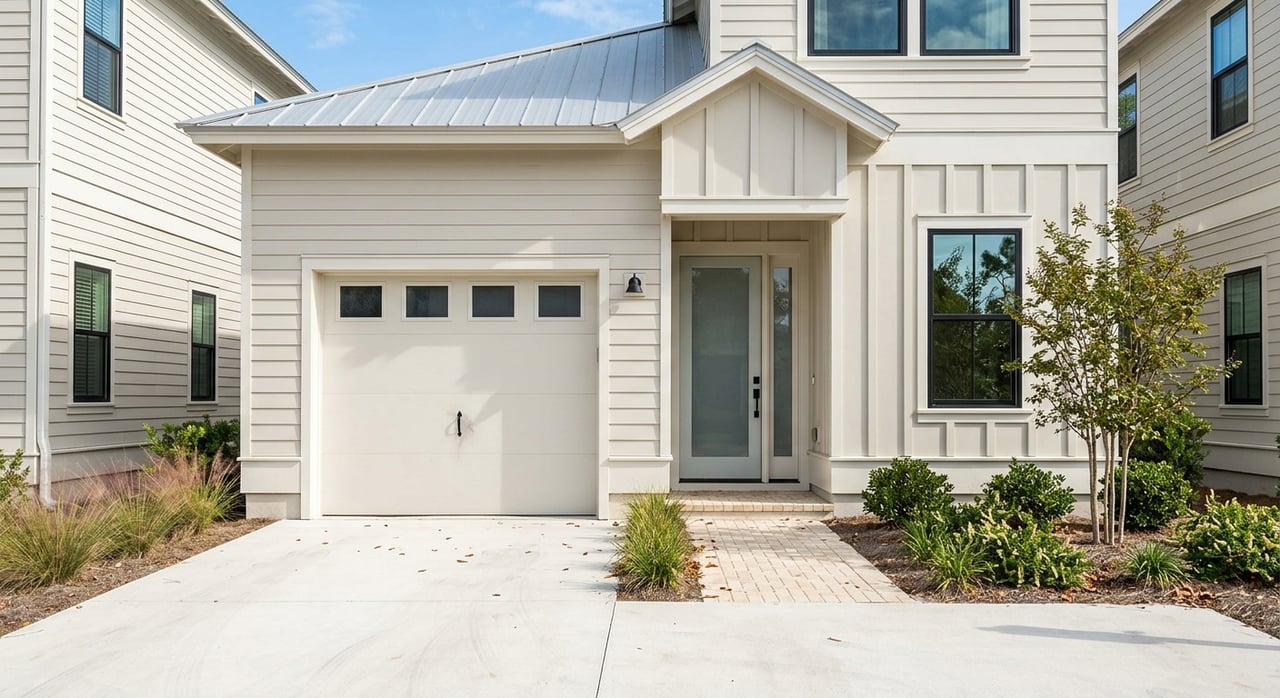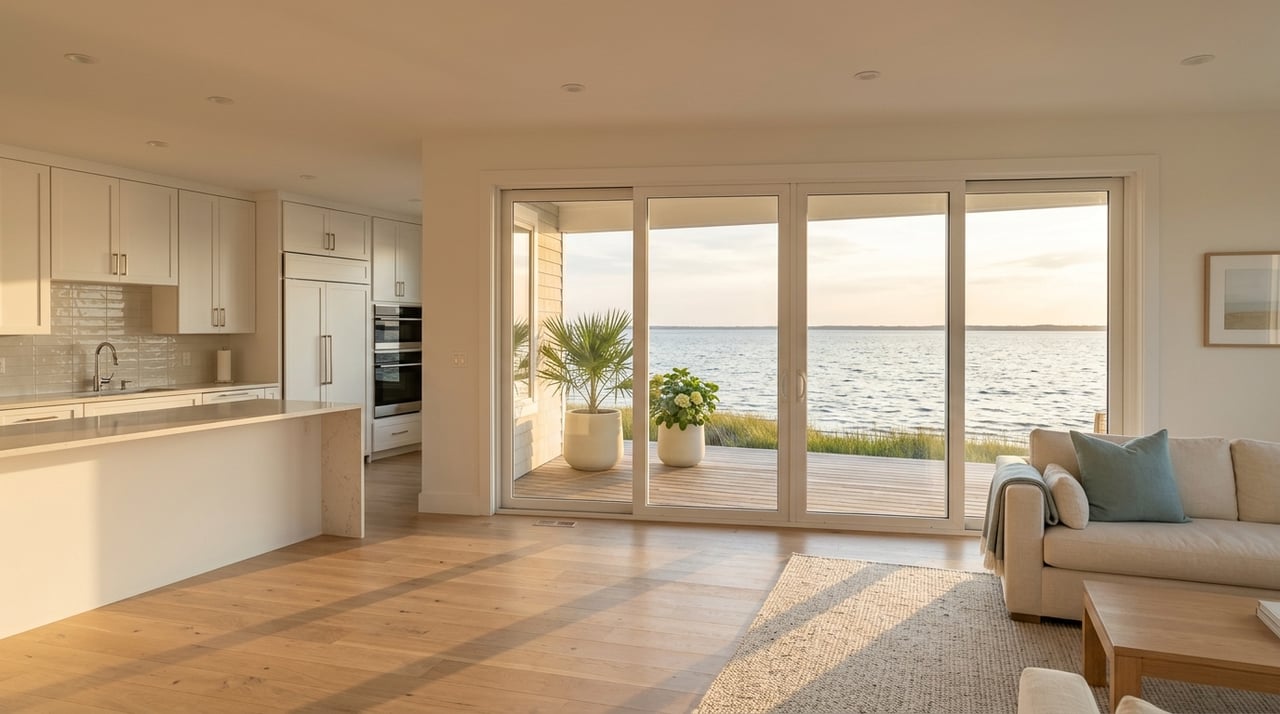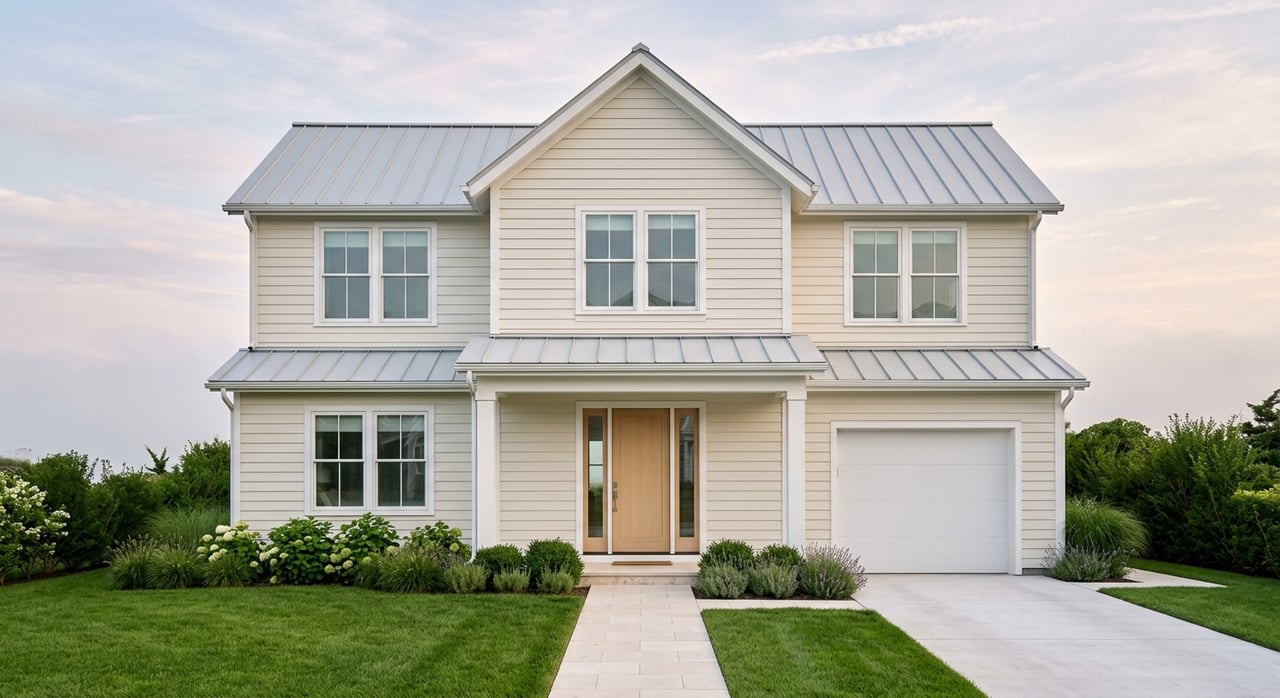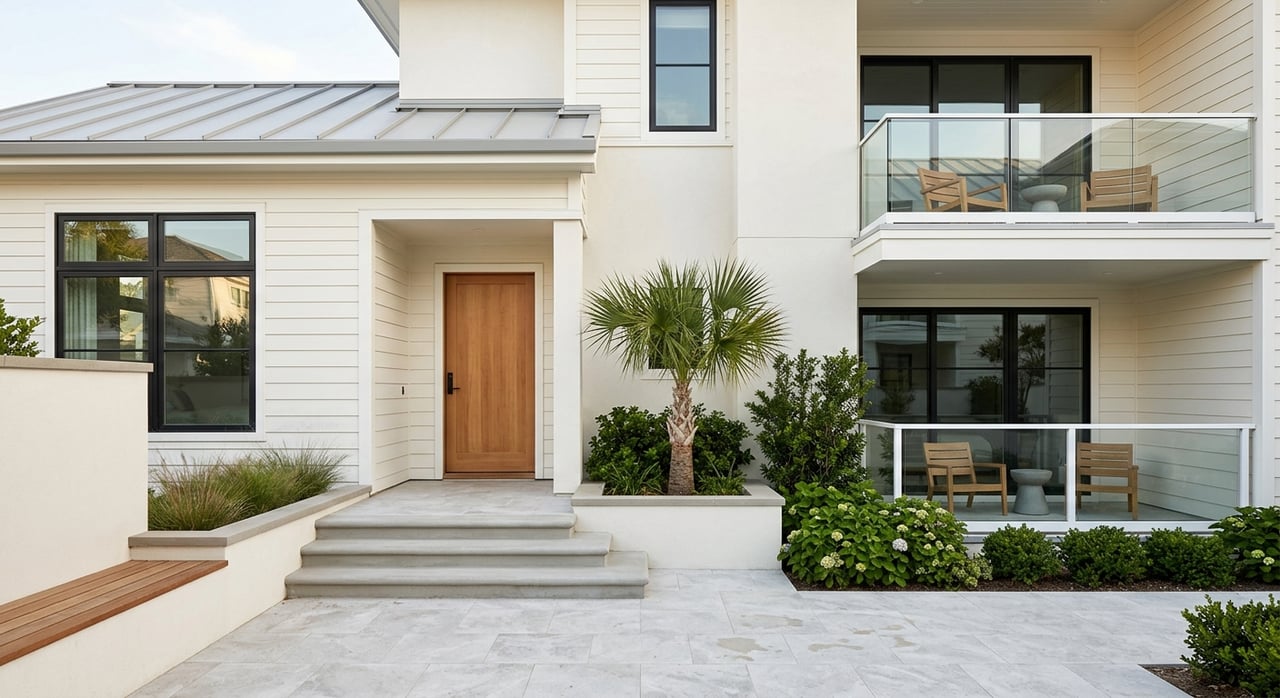
If you’re thinking about buying in East Ocean View, the biggest decision may not be whether to buy near the water. It may be what kind of home fits your life best once you get there. In a coastal Norfolk neighborhood where you can find condos, townhomes, and detached homes near the Chesapeake Bay, the right choice comes down to maintenance, flood diligence, ownership structure, and long-term resale. Let’s break it down.
Why East Ocean View draws buyers
East Ocean View is part of Norfolk’s larger Ocean View coastal area, which includes more than 7.3 miles of Chesapeake Bay shoreline. The city also points to three beach parks with parking, restrooms, and access ramps, plus the East Ocean View Community and Senior Center pier on Pretty Lake for fishing, canoeing, kayaking, and waterfront access.
That setting shapes what buyers are really shopping for here. You are not just choosing square footage or finish level. You are choosing how you want to live near the water and how much hands-on responsibility you want that lifestyle to include.
East Ocean View also has a housing mix that reflects long-term planning in the Ocean View and East Beach area. Norfolk’s planning library shows a range of neighborhood and corridor studies, which helps explain why you’ll see detached homes, townhouses, and smaller multifamily options rather than one uniform product type.
East Ocean View prices vary by source
If you have been watching pricing online, you have probably noticed that different websites show different numbers. That does not automatically mean the data is wrong.
Recent public trackers place East Ocean View in the mid-$500,000s, but they measure the market in different ways. Zillow’s home value index was $539,952 as of April 30, 2026, Realtor.com showed a median listing price of $562,500 in April 2026, and Redfin reported a median sale price of $587,500 in March 2026.
For you as a buyer, the takeaway is simple. Use neighborhood data as context, not as a shortcut for valuing one specific property. In East Ocean View, legal ownership type, flood exposure, insurance costs, and association finances can all affect what a home is truly worth.
What “condo” means in Virginia
In Virginia, a condo is not just a style of home. It is a legal form of ownership created by recorded condominium documents.
When you buy a condo, you own your unit and an undivided interest in the common elements. Under Virginia law, the association is generally responsible for maintenance, repair, renovation, restoration, and replacement of the common elements, while you are usually responsible for the unit itself unless the issue originates in or through the common elements.
That structure often makes a condo the most low-maintenance option. It can be a strong fit if you want a lock-and-leave property near the beach with fewer exterior chores on your plate.
Why condos appeal in East Ocean View
A condo can make sense if you want coastal access without taking on full exterior upkeep. If your goal is simple ownership, shared maintenance, and easier day-to-day management, this option often checks those boxes.
But low maintenance does not mean low diligence. When you buy a condo, you are also buying into the association’s budget, reserves, rules, and overall financial health.
What to review before buying a condo
Before you move forward, pay close attention to:
- Current monthly or periodic assessments
- Any unpaid or upcoming special assessments
- Reserve balances
- The reserve study and annual review history
- Insurance coverage and deductible exposure
- Parking rules
- Rental rules
- Recent board and member meeting minutes
In Virginia, these items are part of the resale certificate disclosure package. That package is one of the most important tools you have for understanding the real cost and risk of condo ownership.
What a townhome can mean
A townhome is where many buyers get tripped up. In Virginia, a townhome is a building style, not one single ownership structure.
Two townhomes that look nearly identical in East Ocean View can operate very differently. One may be legally organized as a condominium, while another may be part of a property owners’ association with individual lots and shared common areas.
That distinction matters because the recorded declaration controls maintenance duties, assessments, and use rules. It can also affect rental restrictions, exterior responsibilities, and what you are truly responsible for repairing.
Why townhomes offer a middle ground
For many buyers, a townhome offers the balance point between condo living and detached-home ownership. You may get more privacy and more interior space than a condo, while still avoiding some of the yard work and exterior maintenance that comes with a detached house.
That can be attractive in a coastal area where you want to spend more time enjoying the location and less time managing a property. Still, you should never assume the association handles more than it actually does.
What to ask about a townhome
If you are considering a townhome, ask these questions early:
- Is it legally a condo or part of a property owners’ association?
- What exterior maintenance is shared, and what is owner responsibility?
- Are there mandatory dues?
- Are there rental or parking restrictions?
- Is the property subject to more than one association?
If more than one association applies, Virginia requires a resale certificate from each one. That added layer is not necessarily a deal breaker, but it does mean you need a more careful document review.
What a cottage offers
For this discussion, a cottage means a detached single-family home on its own lot. In East Ocean View, that usually gives you the most control over the property and the least dependence on shared walls or common elements.
That autonomy is a major draw for buyers who want outdoor space, more privacy, or fewer association-style constraints. If you want the freedom to manage your own exterior and make decisions directly, a detached home often feels the most straightforward.
The tradeoff with detached ownership
More control also means more direct responsibility. Compared with a condo, a detached cottage typically puts more exterior upkeep, repair planning, and long-term capital costs directly on you.
And even with a detached home, you should not assume there is no association. If the property sits inside a property owners’ association, the declaration may still require assessments for common areas, stormwater systems, or other neighborhood obligations.
Flood risk matters for every option
In East Ocean View, flood risk should be a separate due diligence track no matter what you buy. Norfolk describes the city as a low-lying coastal area that is susceptible to flooding from heavy rain, hurricanes, nor’easters, tidal inundation, and wind-driven flooding.
The city encourages residents to understand their flood risk and provides official flood-zone determination letters. Norfolk also participates in the Community Rating System, which can reduce flood insurance rates.
One more key point is easy to miss. Standard homeowners insurance does not cover flooding. Flood insurance is available to homeowners, renters, condo owners, and businesses, so you need to understand what applies to your address and ownership type before you commit.
Why flood diligence affects resale too
Flood diligence is not only about your monthly costs today. It also affects how future buyers evaluate the property.
In East Ocean View, likely long-term resale factors include flood zone, elevation, insurance cost, reserve strength for association communities, parking, rental rules, and the quality of nearby drainage and roadway improvements. A home with clear flood documentation and solid association records is usually easier for the next buyer to evaluate than one with open questions.
Drainage improvements are worth noting
East Ocean View is not standing still. Norfolk’s current capital improvement plan includes drainage and roadway improvements between East Ocean View Avenue and Pretty Lake, with the stated goal of reducing precipitation flooding and improving access for first responders.
For buyers, this matters because public infrastructure affects daily livability and buyer confidence over time. It does not replace property-specific diligence, but it is part of the bigger picture when you assess long-term value in a coastal neighborhood.
How to choose the right fit
The best choice usually comes down to how you want to balance convenience, control, and risk review.
A condo may fit if you want
- Lower day-to-day exterior responsibility
- Shared maintenance of common elements
- A stronger lock-and-leave feel
- A simpler ownership routine near the beach
A townhome may fit if you want
- More space or privacy than many condos
- Less hands-on upkeep than many detached homes
- A middle-ground option between shared and independent ownership
- Flexibility, as long as the governing documents support your goals
A cottage may fit if you want
- The most autonomy
- Direct control over the property and yard
- Fewer shared-wall concerns
- A detached-home feel, with the understanding that upkeep is largely on you
What smart buyers review before making an offer
No matter which property type you prefer, your review process should stay disciplined. In East Ocean View, that is especially important because coastal factors and ownership structure can change the true cost of ownership.
Start with these items:
- Resale certificate, if there is an association
- Current budget
- Reserve study
- Meeting minutes
- Insurance summary
- Flood-zone documentation
- Any known special assessments
- Confirmation of whether more than one association applies
This is where technical guidance matters. A pretty kitchen is easy to spot. A weak reserve, layered dues, or unclear flood exposure can be much harder to see until you ask the right questions.
If you are weighing a condo against a cottage in East Ocean View, the right answer is rarely one-size-fits-all. The strongest move is to compare the ownership structure, flood exposure, ongoing costs, and resale position of each property before you decide.
When you want clear, local guidance on buying near the water in Norfolk, connect with Jack Blake for a focused, data-driven conversation.
FAQs
What does condo ownership mean in East Ocean View, Norfolk?
- In Virginia, a condo is a legal ownership form where you own your unit plus an undivided interest in the common elements, and the association is generally responsible for maintaining those common elements.
Does a townhome in East Ocean View automatically have an HOA?
- No. In Virginia, a townhome is a building style, and the recorded declaration determines whether it is part of a condominium or a property owners’ association.
What should buyers review for an East Ocean View condo or townhome?
- Buyers should review the resale certificate, budget, reserve study, meeting minutes, insurance summary, assessments, special assessments, and any flood-zone documentation.
Why is flood insurance important for East Ocean View homes?
- Norfolk is a low-lying coastal city with several flood risks, and standard homeowners insurance does not cover flooding.
Do detached cottages in East Ocean View ever have association fees?
- Yes. A detached home can still be part of a property owners’ association that requires assessments for shared areas or other community obligations.
How do East Ocean View drainage improvements matter to buyers?
- Norfolk’s current drainage and roadway improvements in East Ocean View may support long-term livability and buyer confidence, especially in a coastal area where precipitation flooding is a known concern.