Selling in Norfolk is not the time to wing it. With recent market data showing homes taking about a month to sell and prices landing near full list price, the agent you hire can shape how your home is priced, presented, and negotiated from day one. If you are getting ready to interview listing agents, the right questions can help you spot real expertise, especially in a city where waterfront features, flood risk, and Virginia disclosure rules can affect the sale. Let’s dive in.
Why the listing interview matters in Norfolk
Norfolk is not a one-size-fits-all market. Recent March 2026 data showed a median sale price of $318,950, median days on market of 37, and a 100% sale-to-list ratio, with another market tracker reporting a $338,000 median listing price and 33 median days on market. That points to a fairly balanced market, which means pricing and launch strategy matter.
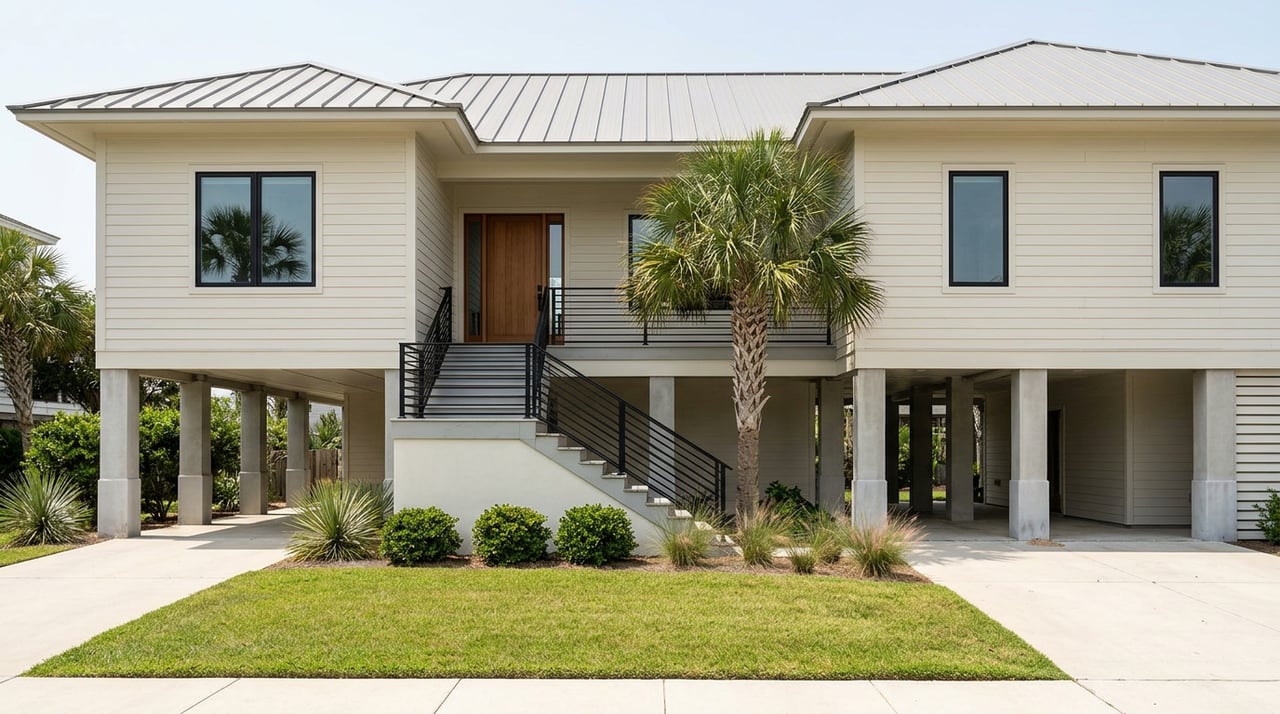
Norfolk also has a unique coastal setting. The city says it has more than 200 miles of riverfront and bayfront property, and flooding can result from both coastal conditions and rain events. That makes it especially important to hire an agent who understands how location-specific risk and value factors may affect buyer confidence.
A strong listing interview should do more than confirm that you like the agent. It should help you learn whether that agent has a clear, repeatable system for pricing, marketing, disclosure coordination, and negotiation.
Ask pricing questions first
Pricing is one of the clearest ways to separate a prepared agent from one who is guessing. In a balanced market, a vague number or a promise to “test the market” should not give you much confidence. You want an agent who can explain the price with local data and property-specific logic.
How did you determine the list price?
This question gets to the heart of the strategy. A strong answer should include recent Norfolk comparable sales and a clear explanation of why those sales are relevant to your home.
The agent should also be able to explain how they adjusted for differences such as square footage, condition, updates, lot size, and location. If your property has waterfront access, a view, condo or HOA factors, or other unique features, those should be part of the conversation too.
Which Norfolk comps did you use, and why?
Not all comparable sales are equally useful. An experienced Norfolk listing agent should be able to walk you through which homes they selected and why those sales reflect what buyers may compare to your property.
This matters even more if your home falls into a niche segment, such as waterfront, dock access, acreage, or a higher-value single-family property. The more specialized the home, the more important local and precise comp selection becomes.
How do you adjust for flood zone or waterfront factors?
In Norfolk, this is not a side question. The City of Norfolk says lenders normally require flood insurance in higher-risk zones such as AE, AH, AO, and VE, and it recommends flood insurance even where it is not required.
An agent should be ready to explain how flood zone, waterfront location, view, access, and related factors may affect pricing and buyer expectations. You want specifics, not broad statements.
What happens if the first few weeks are slow?
The first 7 to 14 days matter because market data suggests homes are not flying off the shelf instantly, but they are still selling in roughly a month. Ask what the agent will watch after launch and how they will respond if showings or offers do not come in as expected.
A strong answer should include a plan for reviewing traffic, feedback, pricing, and positioning. It should sound measured and data-driven, not reactive.
Ask about the launch plan
Many sellers hear a long list of marketing tactics in listing presentations. What you really need is a clear plan for what happens before your home goes live and during the first two weeks on market. Early presentation and exposure often shape the tone of the entire listing.
What marketing do you use in the first two weeks?
This question helps you move beyond buzzwords. Ask the agent to walk you through the order of operations, from pre-listing preparation to launch-day exposure and follow-up.
A strong answer should explain how the home will be presented, where it will be promoted, and how buyer interest will be tracked. The plan should feel organized and intentional.
What visuals will you use?
Ask whether the agent uses professional photography, video, floor plans, 3D tours, drone work, or other visuals. In a market where buyers may compare multiple homes closely, visuals can shape both click-through interest and showing activity.
For waterfront or coastal homes, this question becomes even more important. Features like water views, dock access, lot orientation, and outdoor living spaces often need careful presentation so buyers understand the value clearly.
How will you market specialty features?
If your home has waterfront access, flood-related considerations, or other unusual features, ask how the agent will explain them in the marketing. The goal is to highlight value without creating confusion.
This is where local expertise shows up. A Norfolk agent with coastal experience should be able to position these details accurately and confidently.
How will you gather buyer feedback?
Marketing is not just about exposure. It is also about learning quickly from the market.
Ask how the agent collects feedback after showings and how often that feedback is shared with you. If the answer is unclear, you may end up guessing why buyers are hesitating.
Ask how they handle disclosures
Virginia sellers have specific disclosure responsibilities, and Norfolk sellers may face additional forms tied to flood risk and other property conditions. This is one of the most practical parts of the interview because mistakes here can create stress, delay, or even give a buyer a limited right to terminate in some situations.
What disclosures may apply to my Norfolk property?
The Virginia Department of Professional and Occupational Regulation says sellers must complete a Residential Property Disclosures Acknowledgement Form and may also need additional forms for issues such as flood risk, military air installation, stormwater management, repetitive risk loss, septic matters, zoning or building code violations, methamphetamine manufacture, and related topics.
Ask the agent which forms may apply to your home and why. If your property is in a flood-prone area, near a military air installation, or part of an HOA or condo, that should be discussed early.
Who coordinates the disclosure paperwork?
This question reveals a lot about the agent’s process. You want to know who identifies the needed forms, who prepares them, when they are delivered, and how the timeline is managed.
Under Virginia law, the owner must furnish disclosure information before ratification, and late delivery can create problems. A strong agent should have a clear system for getting this right.
How do you handle known property issues?
The Code of Virginia says a seller’s licensee must disclose material facts actually known to the licensee and assist with offers, counteroffers, and settlement tasks, while also maintaining confidentiality and exercising ordinary care. Ask how the agent approaches known issues so disclosures stay accurate and timely.
You are looking for a direct, practical answer. The right agent should help you stay organized and avoid last-minute surprises.
Ask about negotiation and offer strategy
A listing agent does much more than put a sign in the yard. Once offers start coming in, your agent should help you compare terms, weigh risk, and protect your net proceeds.
How do you handle multiple offers or competing terms?
Even in a balanced market, well-priced homes can draw strong interest. Ask how the agent presents competing offers and how they help you compare more than just the top price.
A solid answer should include factors like financing strength, concessions, appraisal risk, inspection terms, and closing timelines. You want someone who can explain tradeoffs clearly.
How do you negotiate appraisal gaps and repair requests?
This question is especially important if your home is priced near the top of its likely range or has unique features that may need strong valuation support. A strong negotiator should be able to explain how they respond when value, repairs, or credits become sticking points.
For sellers, this is where technical skill matters. You want an agent who can stay calm, support the value of your home, and keep the transaction moving.
Ask how communication will work
Good communication reduces stress and helps you make better decisions. It also tells you a lot about whether the agent runs a disciplined business.
How often will I hear from you?
Ask whether you will receive weekly written updates, quick showing feedback, and timely calls when market conditions shift. A clear communication rhythm helps you stay informed without having to chase your agent for answers.
This is especially important because Virginia brokerage duties include timely handling of client information and confidentiality. Professional communication should be part of the process, not an afterthought.
Who is my main point of contact?
Some agents work solo, while others rely on assistants or team members for parts of the transaction. Ask who handles showings, feedback, paperwork, and closing coordination.
There is nothing wrong with support staff, but you should know exactly who does what. Clarity upfront prevents frustration later.
What do you need from me before we list?
This simple question often leads to useful details. A strong agent should be able to tell you what documents, property information, scheduling plans, and preparation steps are needed before launch.
That answer can show whether the agent is truly organized. It also helps you understand how to get the home market-ready without delays.
What strong answers should sound like
When you interview a Norfolk listing agent, listen for answers that are local, specific, and measurable. The best agents should be able to explain recent Norfolk comps, outline a real launch strategy, and discuss how flood or coastal factors may affect pricing, marketing, and buyer questions.
They should also be clear about Virginia disclosure requirements and communication expectations from pre-listing through settlement. In short, you want evidence of a process, not just confidence.
For many sellers, the right choice comes down to this: does the agent sound prepared to solve problems before they become expensive ones? In Norfolk, that kind of preparation can make a real difference.
If you are preparing to sell and want a pricing, marketing, and negotiation strategy built for Norfolk, connect with Jack Blake for a free home valuation and a clear plan for your next move.
FAQs
What should Norfolk sellers ask a listing agent about pricing?
- Ask how the agent determined the list price, which Norfolk comparable sales they used, and how they adjusted for factors like condition, location, waterfront features, flood zone, and lot size.
What should Norfolk sellers ask a listing agent about marketing?
- Ask what happens in the first two weeks, which visuals will be used, how the home will be promoted, and how buyer feedback will be collected and shared.
What disclosure questions should Norfolk home sellers ask?
- Ask which Virginia disclosure forms may apply to your property, who coordinates the paperwork, and how known property issues are handled so documents are accurate and timely.
Why do flood-risk questions matter when selling a home in Norfolk?
- Norfolk has extensive riverfront and bayfront property, and the city says flooding can come from coastal conditions and rain events, so flood-related factors may affect pricing, disclosures, insurance expectations, and buyer interest.
What should Norfolk sellers ask about communication before hiring an agent?
- Ask how often you will receive updates, who your main point of contact will be, how quickly the agent responds, and who handles showings, paperwork, and closing coordination.