Thinking about buying or selling in East Beach, 23518? You are looking at one of Norfolk’s most distinctive waterfront neighborhoods, and the details matter. From price dispersion and days on market to HOA rules and coastal risk, small choices can shift your outcome in a big way. In this guide, you will learn how the market works, what drives value, and the steps to position your move for success. Let’s dive in.
East Beach at a glance
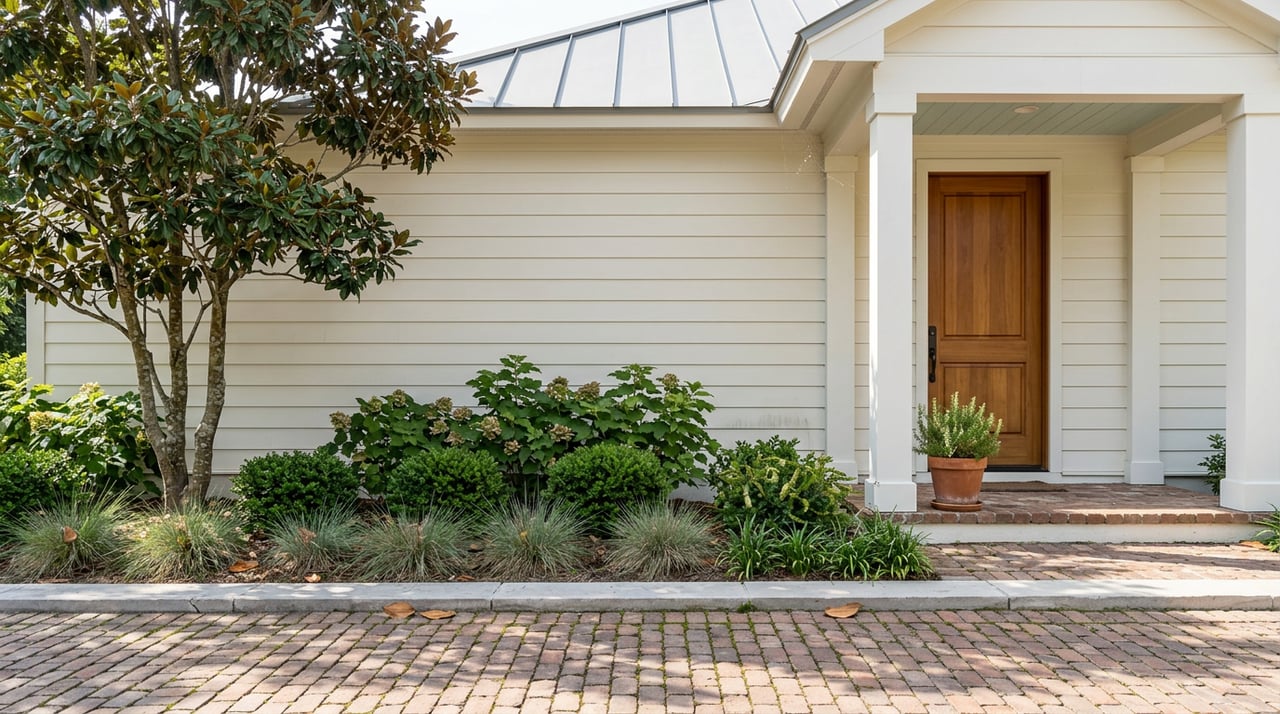
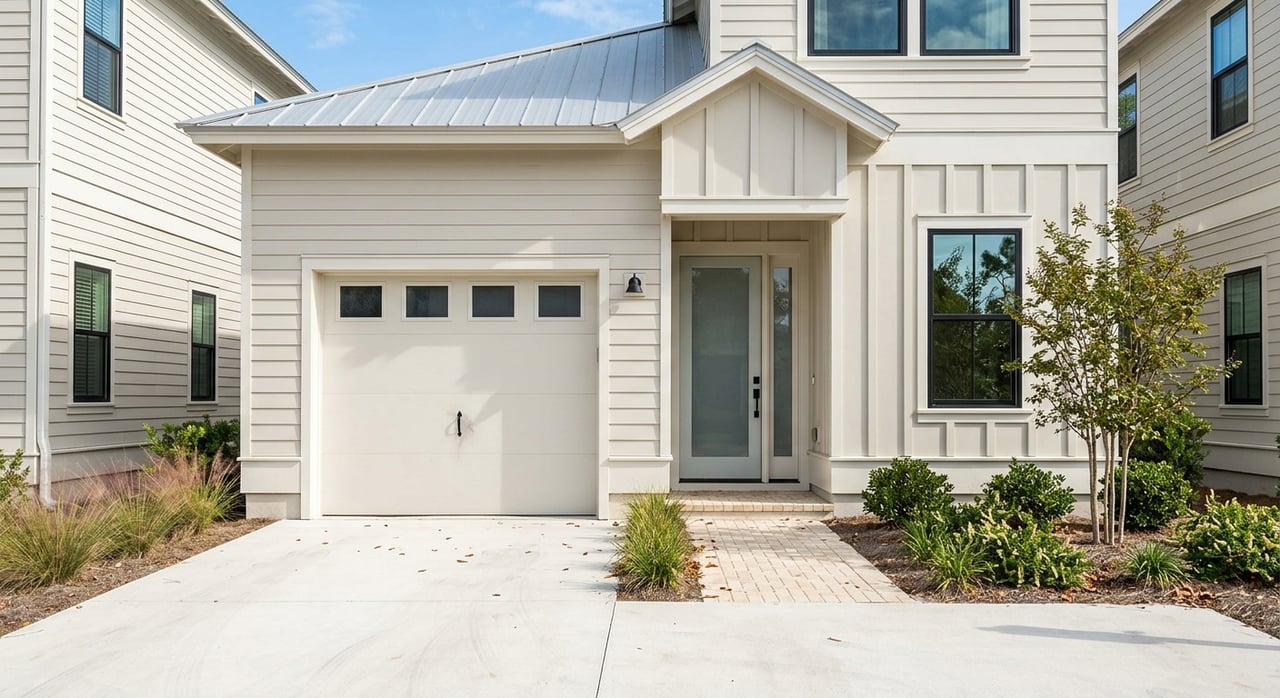
East Beach is a master-planned, New Urbanist waterfront community within the Ocean View peninsula. The plan covers roughly 100 acres with about 700 residences across single-family homes, townhouses, and flats, plus community parks and direct beach access. It also features the Bayfront Club, pocket parks, and rear-lane garages that keep streetscapes walkable and inviting. You will find active HOA governance and architectural review that preserves the coastal village look and feel. Learn more about the community’s design and amenities.
The neighborhood began closing homes in the mid-2000s, and the buildout intentionally delivered a range of sizes and prices. Historical new-construction sales across East Beach have spanned from the mid-$200,000s to multi-million-dollar coastal homes, reflecting the wide variety of product types and locations within the plan. For regional context on that history, see the ODU market review slide deck that includes East Beach examples (ODU E.V. Williams report).
Today’s market signals
Public neighborhood snapshots as of early 2026 place typical sale activity in the mid-to-high $500,000s, with marketing timelines measured in multiple weeks rather than days. Expect meaningful price dispersion between interior homes and true waterfront addresses. Many neighborhood analyses place typical price per square foot in the mid-$200s, with higher figures for renovated or view-oriented homes. That spread reflects location on the bay, condition, and elevation. See neighborhood-level market intelligence summaries for East Beach/East Ocean View for context (Listalysis neighborhood overview).
Typical price bands
- Small condos, flats, and carriage-house units: about $200,000 to $450,000.
- Townhomes and mid-size single-family homes, often park-facing or interior: about $400,000 to $800,000, depending on size and finishes.
- True waterfront and premium coastal homes: commonly $700,000 to $2 million plus, with the upper range reserved for larger, bay-front properties.
What pushes prices up or down
- Waterfront orientation, park frontage, and long water views.
- Elevated foundations, hurricane-rated features, and recent system upgrades.
- Finished condition, outdoor living spaces, and carriage apartments.
- Parking access via rear lanes and overall curb appeal under HOA standards.
Ownership costs and HOA rules
East Beach has active HOA governance and, for some buildings, separate condo or townhome associations. The HOA publishes rules that guide exterior changes, vendor approvals, and leasing policy. Townhome and condo rules set a minimum lease term, such as no leases under three months. Review the rules before you plan to rent or remodel (East Beach Owners Association Rules).
A transparent way to estimate neighborhood-wide assessments is to look at the published community budget. The East Beach Neighborhood Association’s 2026 budget lists total projected association-fee revenue at about $1.3 million. With roughly 700 residences, that works out to a simple average of about $1,860 per year per unit, or about $150 to $160 per month. This is an illustrative average only. Actual dues vary by building type and whether a home belongs to a separate condo or townhome association. Always verify the unit-level fee in the resale packet (2026 HOA Budget Mailer).
Some attached buildings carry blanket hazard insurance through their association. Even so, buyers should confirm what the HOA or condo master policy covers and what the owner is responsible for. Sellers should be ready to provide up-to-date policy details with disclosures. For specifics, rely on the community’s CC&Rs and the building association’s insurance summary in the resale packet.
Demand drivers buyers value
People pay a premium in East Beach for lifestyle and convenience. You get direct access to the Chesapeake Bay beach, a walkable street grid with parks and pocket greens, and a neighborhood clubhouse. The location also places you close to JEB Little Creek–Fort Story, Naval Station Norfolk, Norfolk International Airport, and downtown. That mix of modern construction, coastal access, and proximity to major employers is a core draw for local buyers and relocating households. For an overview of amenities and the plan’s goals, see the East Beach community profile.
Coastal risk, erosion, and insurance
Ocean View and East Beach have active shoreline dynamics. Local reporting in 2025 documented the removal of a recently built beach ramp after erosion undercut the structure, a reminder that short-term storm impacts and long-term nourishment schedules can affect the coastline’s shape and durability. That reality can influence insurance availability, premiums, and buyer due diligence. Read the local coverage for context on recent shoreline management decisions (Ocean View ramp removal report).
Many addresses in coastal neighborhoods are flagged by modern flood-risk tools. Property-level resources such as Flood Factor are commonly referenced by buyers and insurers to screen risk, and they complement FEMA flood maps. First Street Foundation, the organization behind Flood Factor, has published national data that discloses flood risk at the parcel level (First Street Foundation announcement).
What should you do with that information? Buyers should check FEMA maps, review any available elevation certificate, and get an insurance quote early in the process. Sellers can reduce friction by documenting elevated construction, recent mitigation work, and current insurance costs. In practice, elevated homes with modern systems and clear mitigation upgrades tend to attract stronger buyer confidence.
How East Beach compares nearby
If you are comparing options across Norfolk’s waterfront:
- Shore Drive corridor: Often similar or modestly higher listing medians, with a different product mix that includes established condo communities and older waterfront homes. Choose Shore Drive if you want that specific corridor’s amenities and condo inventory.
- Willoughby and Willoughby Spit: Generally lower medians with a wider variety of housing vintages. A good fit if you prioritize value and are comfortable with older stock and smaller lots.
- Larchmont and Ghent: Riverfront and inner-harbor markets with their own premium and historic character. East Beach typically wins on direct bay/beach access and newer construction, while Larchmont and Ghent offer mature streetscapes and central access.
Bottom line: East Beach usually sits above the Norfolk citywide median on price per square foot, with the widest swings driven by waterfront orientation, finished condition, and exposure to flood and erosion risk.
Buyer playbook for East Beach
- Get fully underwritten pre-approval and an early flood and wind insurance quote. Prices and coverage vary by elevation and building type.
- Review the HOA and any condo/townhome rules for design changes, leasing minimums, and vendor approvals. Confirm fees and what insurance the master policy covers.
- Pull recent comparable sales by product type and street. Expect different comps for interior, park-facing, and bay-front homes.
- Ask for the elevation certificate, prior-claim history, and recent mitigation upgrades. These help you price risk and plan coverage.
- Budget for fees, maintenance, and potential storm-related costs. Coastal ownership includes routine preparedness.
- Consider a carriage-unit layout if you want flexible guest space or potential long-term rental that meets HOA minimums.
Seller playbook to maximize results
- Prepare a property dossier: elevation certificate, insurance declarations, mitigation receipts, system ages, and HOA compliance records. This builds buyer confidence.
- Pre-list inspections and targeted updates pay off. Emphasize roof, windows, mechanicals, and any coastal-grade features.
- Price by orientation and risk. Interior and park-facing homes compete differently than bay-front addresses. Use tight, like-kind comps.
- Stage for light and line of sight. Clean façades, clear rear lanes, and polished outdoor spaces showcase the New Urbanist setting.
- Anticipate appraisal. Provide a comp package that explains view premiums, elevation, and improvements. A prepared agent can engage with the appraiser to defend value.
Work with a local advocate
The East Beach market rewards preparation. Clear comps, clean disclosures, and a smart negotiation plan can add real dollars to your outcome. If you want a results-driven, coastal specialist to guide you through pricing, insurance questions, and appraisal defense, connect with Jack Blake. You will get straight advice, strong negotiation, and a plan built around your goals.
FAQs
What makes East Beach different from other Norfolk waterfront areas?
- It is a master-planned, New Urbanist bayfront neighborhood with about 700 residences, walkable blocks, pocket parks, and active HOA standards that maintain a cohesive coastal village look (community overview).
What are typical home prices for non-waterfront East Beach houses?
- Mid-range, move-in-ready single-family homes often list between roughly $450,000 and $900,000, with final pricing driven by size, finishes, location, and elevation.
How much are HOA dues in East Beach, and what should I budget?
- A simple average based on the 2026 budget is about $1,860 per year per residence, or around $150 to $160 per month, but actual dues vary by building and whether a condo/townhome HOA applies. Always verify the resale packet (2026 HOA Budget Mailer).
Are short-term rentals allowed in East Beach?
- Townhome and condo rules set a minimum lease term, such as no leases under three months; building-level policies can vary, so review the specific association’s rules before you buy or advertise (Owners Association Rules).
How should I evaluate flood risk and insurance for an East Beach home?
- Check FEMA maps, review any elevation certificate, and obtain quotes for flood and wind coverage early. Tools like Flood Factor can help you screen property-level risk, and elevated construction with mitigation upgrades often improves insurability (First Street announcement).
How long does it usually take to sell a home in East Beach?
- Public snapshots show listing lifecycles measured in multiple weeks. Updated, well-priced homes tend to move faster, while high-exposure waterfront properties can take longer due to additional due diligence and insurance reviews.