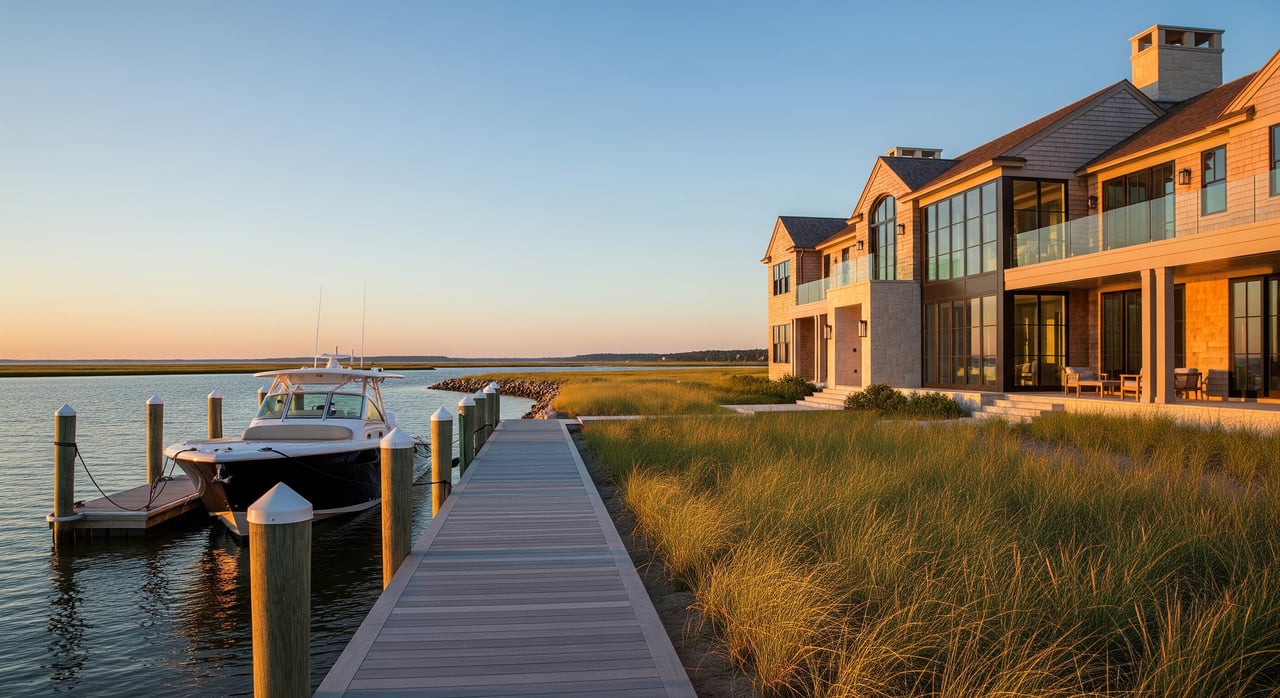
What is your Saw Pen Point waterfront home really worth today? If you are thinking about selling in the next 6 to 18 months, you know pricing is not as simple as pulling a few neighborhood comps. On the water, small details like frontage feet, dock depth at low tide, and flood elevation can swing value meaningfully. In this guide, you will learn the exact factors that drive price in 23455, how appraisers and agents build credible valuations, which permits and flood rules matter, and the steps you can take now to defend your number with confidence. Let’s dive in.
What drives price on Saw Pen Point waterfront
Water orientation and access
Water type and access set the baseline. Open water or wide channel exposure usually commands higher premiums than interior canals or marsh frontage because of view quality and boating utility. Orientation matters too. South or west exposure can add daily light and sunset views that many buyers prefer. Also consider distance to navigable waters and any fixed bridges or channel restrictions that limit boat size or access.
Dock, pier, and bulkhead features
A permitted, functional dock or pier with adequate water depth at mean low tide is a major value driver. Buyers who plan to keep a boat will scrutinize depth, width, and access, as well as whether dredging is needed. Document permit status and condition. The Virginia Marine Resources Commission provides rules and permits for private piers, so have those records on hand and reference the VMRC site for guidance when needed. You can review permitting information through the Virginia Marine Resources Commission.
Bulkhead or shoreline stabilization condition influences price and risk. A recently rebuilt seawall, sound pilings, and up-to-date maintenance records reduce buyer hesitation. Failing or unpermitted structures tend to trigger price reductions or repair credits.
Lot characteristics and frontage
Linear feet of water frontage often serves as a proxy for view width and dock capacity. Wider lots with more usable upland above the Base Flood Elevation typically attract stronger offers. Topography, presence of wetlands, and required riparian buffers can limit yard usability and future improvements, which appraisers account for as value adjustments.
View, privacy, and neighborhood context
Unobstructed panoramic views add perceived and real value. Privacy from neighboring docks and a comfortable setback from boat traffic or commercial activity can improve marketability. Practical features like straightforward street access, ample driveway parking, and proximity to public boat ramps or parks will also influence demand.
Structure, layout, and systems
Square footage and layout still matter on the water. Buyers look for storage for boating gear, garages, and flexible spaces for guests. Homes elevated above the BFE, with flood vents and protected electrical and HVAC systems, often appeal to risk-aware buyers. Maintenance records for marine-exposed components such as decking, railings, and pilings provide comfort that costs are known and manageable.
Market and insurance forces
Inventory levels and interest rates in 23455 will shape buyer behavior. When inventory is tight, sellers may see stronger offers and faster timelines. Rising rates or insurance costs can cool demand. Monitor regional trends through organizations like Virginia REALTORS and the National Association of REALTORS for broader context, then ground your pricing in local MLS-verified closed sales.
Legal and riparian rights
Clear, deeded water access and riparian rights support value. Recorded easements, shared docks, or community restrictions can limit use and should be disclosed early. Confirm your property’s rights and any shared maintenance agreements to avoid surprises during negotiations.
How professionals price a Saw Pen Point waterfront home
The appraisal playbook
For single family waterfront homes, the Sales Comparison Approach is primary. Appraisers and experienced agents select truly comparable recent closed sales, then adjust for differences such as frontage feet, dock status, water depth, view, elevation, and condition. When comps are limited, the Cost Approach may be used to weigh replacement cost minus depreciation plus land value. The Appraisal Institute outlines these methods, which you can review at the Appraisal Institute.
Selecting comparable sales in 23455
Start with closed waterfront sales from the last 6 to 12 months. If inventory is thin, extend to 24 months but increase scrutiny and apply careful time adjustments. Match by water type first, then by frontage, navigability, dock and bulkhead status, and elevation. Keep the geographic radius small. If you must expand beyond Saw Pen Point, increase adjustments for neighborhood differences and note the higher uncertainty.
Common adjustments appraisers make
- Water frontage in linear feet, derived from local paired sales rather than a generic per foot rule.
- Dock or pier presence, permit status, age, and condition.
- View quality and orientation, from unobstructed open-water to partial or limited views.
- Flood zone and elevation relative to BFE, plus mitigation features and insurance implications.
- Bulkhead or shoreline protection condition and recent improvements.
- Usable lot area subject to wetlands or buffer rules.
- Interior condition, systems upgrades, and features relevant to waterfront living.
Paired-sales analysis and value ranges
Paired-sales comparisons are the most reliable way to quantify a single feature, like the contribution of a permitted boat lift or a rebuilt seawall. If pairs do not exist or data is thin, be conservative. Offer a value range with clear drivers and note where uncertainty is highest, such as the need for dredging or the cost to replace a failing bulkhead. In these cases, a pre-list fee appraisal plus a broker price opinion can reinforce your list strategy.
Lender and appraisal realities
Most financed buyers will need an appraisal. For unique waterfront homes with few comps, appraisers may request additional time or produce a narrower value range. Distressed or outlier nearby sales can weigh on appraisals, so provide context and a detailed comp package. Preparing a credible valuation file can reduce surprises and help defend your price.
Flood, permits, and shoreline rules you should verify
Flood zones and elevation certificates
Flood zoning affects both buyer demand and insurability. Properties in Special Flood Hazard Areas often require flood insurance if the buyer is using a mortgage. Confirm your flood zone using the FEMA Flood Map Service Center, and gather your Elevation Certificate if available. The City of Virginia Beach also maintains local floodplain requirements and building codes that can affect improvements. You can review property records and permits through the City of Virginia Beach.
Having a clear elevation narrative helps. Buyers feel more confident when they can see how living spaces relate to BFE, what mitigation steps are in place, and what the current flood premium is.
Dock and pier permitting
In Virginia, private piers and similar structures typically require VMRC oversight, and some projects also involve federal review. Unpermitted or nonconforming structures are common negotiation hurdles. Maintain full documentation for permits, inspections, and repairs to keep buyers and appraisers aligned. For rules and permit details, refer to the Virginia Marine Resources Commission.
Shoreline protection and environmental controls
Bulkheads, riprap, and living shoreline projects may need state and local approvals. Wetland buffers and tidal marsh protections can limit yard expansion and accessory structures. If you have completed shoreline work, include the permits and invoices in your disclosure packet so buyers can weigh long term maintenance realistically.
Insurance and mortgage impacts
Coastal insurance markets shift, which can influence buyer budgets and price. Rising premiums or deductibles may require pricing adjustments to reflect the total cost of ownership. Lenders can have specific underwriting for coastal properties, such as flood insurance documentation and reserves. Keep your latest premium, policy type, and any mitigation credits on file. For market context, review updates from Virginia REALTORS and the National Association of REALTORS.
Price prep checklist for Saw Pen Point sellers
Gathering the right documents will make pricing more accurate and negotiations smoother. Use this checklist as a starting point:
- Deed, survey with measured shoreline and linear water frontage, and recorded plats or subdivision maps.
- Permit history for dock, bulkhead, additions, and renovations. Include plans and inspections.
- Elevation Certificate and flood mitigation documentation if available.
- Maintenance records for the dock, pilings, seawall, and major systems such as HVAC and electrical.
- Utility and, if applicable, septic or well documentation.
- Insurance details including current flood insurance policy, premium, and any claims history.
- A comp set of recent closed waterfront sales in 23455 with notes on water type, frontage, dock status, elevation, and condition.
Add high quality visuals to your file. Professional photography and drone images that show water access, view corridors, and proximity to navigable channels help buyers and appraisers understand value quickly.
Smart pricing strategies in 23455
The best list price is grounded in what the most likely buyer values and can support with financing. If inventory around Saw Pen Point is low and recent sales show strong absorption, a conservative list price can encourage multiple offers that push to market. If interest rates or insurance premiums are weighing on demand, anchor your ask to evidence based comps and emphasize risk mitigation features like elevation, new bulkhead, or verified dock depth.
Consider ordering a pre-list independent appraisal when your home has unique waterfront improvements or there are few recent pairs. Use the Cost Approach as a secondary check if your home is newer or substantially rebuilt. Then prepare an appraisal ready package that includes your survey, EC, permits, dock depth at mean low tide, shoreline maintenance records, and your MLS comp grid.
What to do next
- Confirm your flood zone and download relevant map panels at the FEMA Flood Map Service Center.
- Pull property and permit history from the City of Virginia Beach so you can answer buyer questions with documentation.
- Verify pier or dock permit status with the Virginia Marine Resources Commission and note any maintenance agreements.
- Record water depth at mean low tide and study local tide ranges using NOAA tidal data.
- Build a comp set from the local MLS that matches water type, frontage, navigability, and elevation.
- Consider a pre-list appraisal and assemble a valuation file that you can share with buyers and the lender’s appraiser.
Ready to put a precise, defensible price on your Saw Pen Point waterfront home in 23455 and go to market with confidence. Connect with Jack Blake to get a tailored pricing plan and a marketing package that showcases your water access and verifies value for buyers and appraisers.
FAQs
How do you estimate the waterfront premium in 23455 compared with non waterfront homes?
- Use local paired sales in the MLS that differ mainly by water exposure and features, then adjust for frontage, dock condition, elevation, and view to establish a realistic premium range.
Do docks always add value on Saw Pen Point waterfront properties?
- Permitted, functional docks with adequate depth at mean low tide and good access usually add value, while unpermitted or damaged docks can lead to price reductions or repair credits.
How do flood zones affect price for Virginia Beach waterfront homes?
- Higher risk zones can reduce buyer demand or require price adjustments to reflect insurance costs, while elevation above BFE and mitigation measures help marketability and value.
Should I order an appraisal before listing a Saw Pen Point waterfront home?
- A pre-list appraisal is helpful when comps are thin or your home is unique, and combined with a broker price opinion it provides a defensible list strategy and reduces appraisal risk.
What paperwork should I gather before pricing my Saw Pen Point property?
- Compile your survey with frontage, permits for dock and shoreline work, Elevation Certificate, maintenance records, flood policy details, and recent MLS closed comps.
How does water depth at mean low tide influence value and marketing?
- Verified depth and navigability support boating utility, which is a key driver for waterfront buyers and appraisers, so document depth readings and any dredging requirements using NOAA tide data.