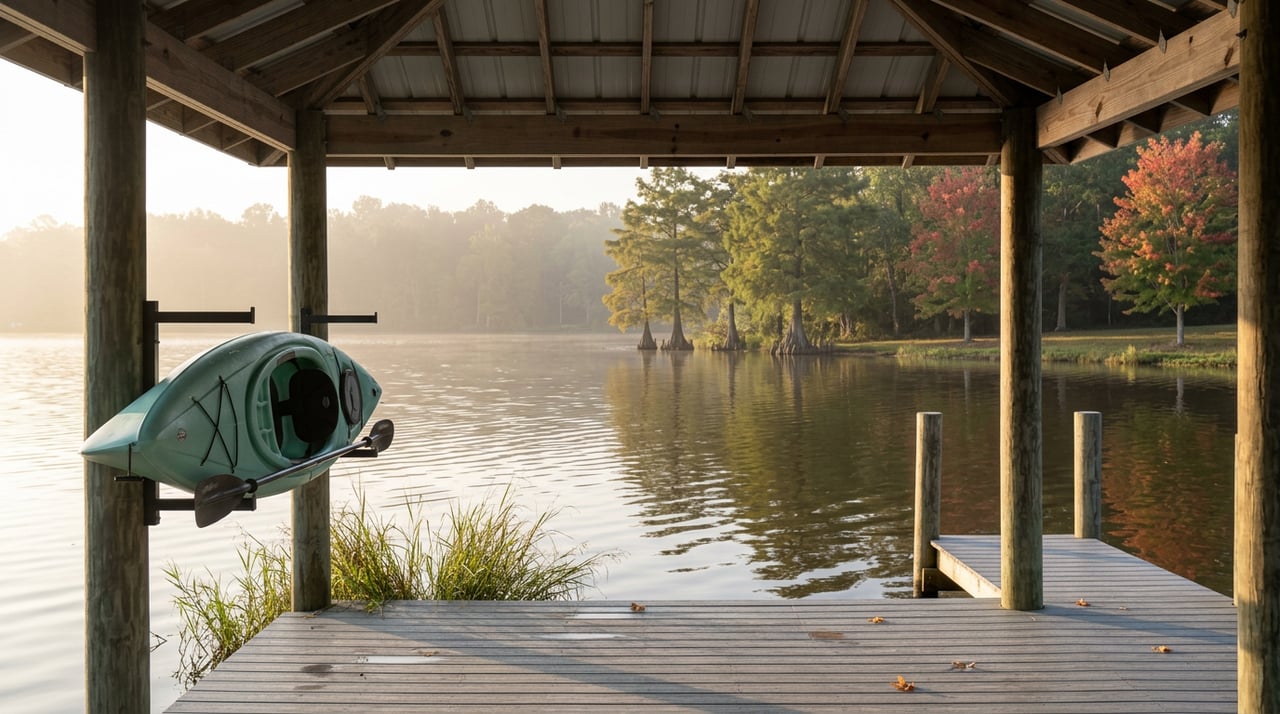
A buyer walks the yard at a Saw Pen Point listing on a Saturday afternoon, checks the roofline, runs a hand along the kitchen counters, and glances at the water for maybe ten seconds before heading back inside to talk numbers. The bulkhead gets less attention than the appliances. For this stretch of the Lynnhaven River, the bulkhead is an important part of due diligence because permitting can affect a transaction timeline.
Here is the claim worth sitting with before you write an offer or sign a listing agreement in this neighborhood: in Saw Pen Point, the condition and legal status of the shoreline structure now matters more to resale value than almost anything inside the house, because Virginia changed what "repair" is allowed to mean right around the time most of this neighborhood's original bulkheads reached the end of their working life.
What Makes Saw Pen Point Different
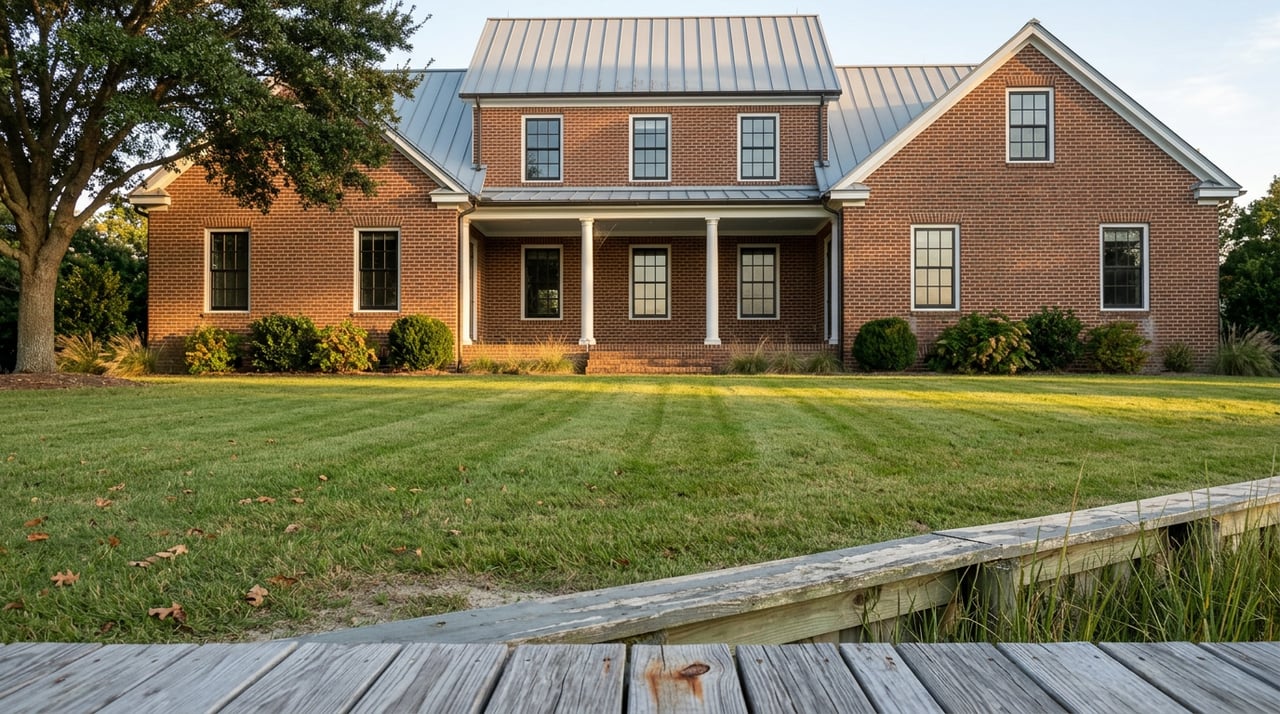
Saw Pen Point sits along the Western Branch of the Lynnhaven River, developed on land that once belonged to a nursery and horse farm before becoming a neighborhood of brick two-story homes on lots that typically run three-quarters of an acre or more. The area shares its name with the old Witchduck legend, the 1706 trial of Grace Sherwood in the nearby waters, which still shows up in local real estate copy as a bit of historical color. Most of the housing stock dates to the 1970s through the 1990s, and a meaningful share of those lots carry private piers, docks, or hardened shorelines installed at the same time the houses went up.
That combination, older waterfront construction on generous lots along a tidal river, is exactly the profile where Virginia's shoreline rules now create the most friction.
The Rule That Changed Underneath These Bulkheads
For decades, a failing wooden bulkhead in Hampton Roads meant a straightforward call to a contractor and a replacement in kind. That is no longer guaranteed. Virginia Code section 28.2-104.1, enacted through a 2020 bill, directs the Virginia Marine Resources Commission to approve only living shoreline approaches to shoreline management unless the best available science shows that approach is not suitable for the site. Hardened structures like bulkheads and revetments are now permitted only when a property owner can demonstrate no reasonable alternative exists.
For an owner whose bulkhead was built in the 1970s or 1980s and is now failing, the assumption that a rebuild is a routine permit has quietly become false. The owner may need to hire a wetlands consultant or engineer to document why a living shoreline will not work on that particular stretch of riverbank before the state will even consider a hardened replacement.
Jack Blake has watched this play out from both sides of the table. He specializes in waterfront transactions across Hampton Roads and completed a five-year term on the Norfolk Wetlands Board, giving him a working knowledge of how these permit reviews actually run. As he put it in a conversation with Coastal Virginia Magazine, "education is key for homebuyers" when it comes to understanding what they can and cannot do with an aging shoreline structure before they sign anything.
Saw Pen Point Park Shoreline Restoration Project
A public shoreline restoration project is underway at Saw Pen Point Park. The City of Virginia Beach has an active capital project at Saw Pen Point Park itself, cataloged under Capital Improvement Project 100264, aimed at restoring the shoreline to prevent erosion and rebuild wetlands. The city's posted timeline called for the design phase to wrap by June 2026, with the finished work meant to remove pollutants like phosphorus and nitrogen from stormwater runoff in line with the Chesapeake Bay Program's nutrient reduction goals. The public comment period ran from late April through mid-May of 2025.
One More Wrinkle: Who Processes the Permit Now
Anyone planning a bulkhead repair, dock rebuild, or dredging project should also account for a procedural shift that took effect on September 1, 2025. The US Army Corps of Engineers became the central point of receipt for joint permit applications in Virginia, a role previously held by the Virginia Marine Resources Commission. Timelines that used to run a few months can reasonably be expected to take longer while the new system settles in.
What This Means for the Number on the Sign
Waterfront homes across Hampton Roads typically command a premium of 25 to 45 percent over comparable inland properties, according to reporting in Coastal Virginia Magazine. In Witchduck, the broader area that includes Saw Pen Point, the median sale price over the trailing twelve months has landed between roughly $979,000 and $1.03 million, with homes typically going under contract in about a month.
That premium is not evenly distributed across every waterfront lot. Shoreline condition is one factor to consider when assessing the property. A home with a documented, permitted, structurally sound bulkhead is worth the premium. A home with a bulkhead installed forty years ago and never inspected may involve costs if a buyer's lender or insurer asks for documentation, or if the structure fails and the owner discovers a straightforward rebuild is no longer automatic. In a neighborhood where lot size and water frontage do much of the work to justify price per square foot, shoreline condition remains part of the property's overall valuation.
What to Actually Check Before You Write or Accept an Offer
If you are buying or selling a waterfront lot in Saw Pen Point, a few specific items belong on the due diligence list well before closing:
- Ask for the permit history on any existing bulkhead, dock, or revetment, including the original Joint Permit Application if it exists.
- Find out the approximate age and material of the current bulkhead.
- Request a riparian rights survey if one has not already been done, particularly if the property has changed hands more than once since the original construction.
- Ask whether any prior owner attempted a repair or replacement and, if so, whether it went through VMRC and the local wetlands board or was done without permits.
- Budget for the possibility that a future bulkhead rebuild may require a living shoreline component, a consultant's suitability report, or both, rather than a simple like-for-like replacement.
None of this is legal advice, and a wetlands attorney or licensed engineer should be part of the conversation for anything beyond a routine inspection. But knowing which questions to ask before you are three weeks from closing is the difference between a smooth transaction and a scramble.
Can I just replace my failing bulkhead with the same thing that is there now?
Not automatically. Under current Virginia law, a hardened structure like a bulkhead is permitted only when the applicant can show a living shoreline approach is not suitable for that specific site.
Does switching to a living shoreline hurt my property value?
Not inherently. Living shorelines are the state's preferred approach and can be less expensive to install than a bulkhead, though they behave differently in terms of maintenance and how they interact with docks and existing hardscape. The bigger risk to value is an undocumented or failing structure, not the type of structure itself.
How long should I expect a shoreline permit to take right now?
Longer than it did a year ago. anyone planning work should build extra time into their schedule rather than assume the old timeline still applies.
Saw Pen Point rewards buyers and sellers who understand what they are actually purchasing along the water. If you are weighing a move in this neighborhood, or you want a clear-eyed read on what your shoreline situation means for value and timeline, reach out to Jack Blake for a straightforward conversation and a free home valuation.