If your perfect weekend starts on the water, the neighborhood you choose in Norfolk will shape your boating life every day. You want short runs to the Bay, a dock that fits your boat, and services you can reach without a hassle. This guide explains how East Ocean View compares with nearby East Beach and the Little Creek marina cluster so you can match your boat, your routes, and your budget. Let’s dive in.
East Ocean View for boaters
East Ocean View sits on the eastern end of the Ocean View spit, close to protected waters and inner channels. You typically enjoy shorter runs to sheltered areas that keep small craft comfortable in most conditions. Transit to the Chesapeake Bay usually routes past Willoughby Bay or through the Little Creek opening depending on your exact slip location.
Access and routes
From East Ocean View, you can reach inner channels quickly, which helps for casual day runs and fishing close to home. You will still share waterways with commercial and naval traffic, so plan to follow marked channels and yield to larger vessels. Tides and currents in Hampton Roads affect launch windows and shallow approaches, so check local tide predictions before heading out.
Typical dock setups
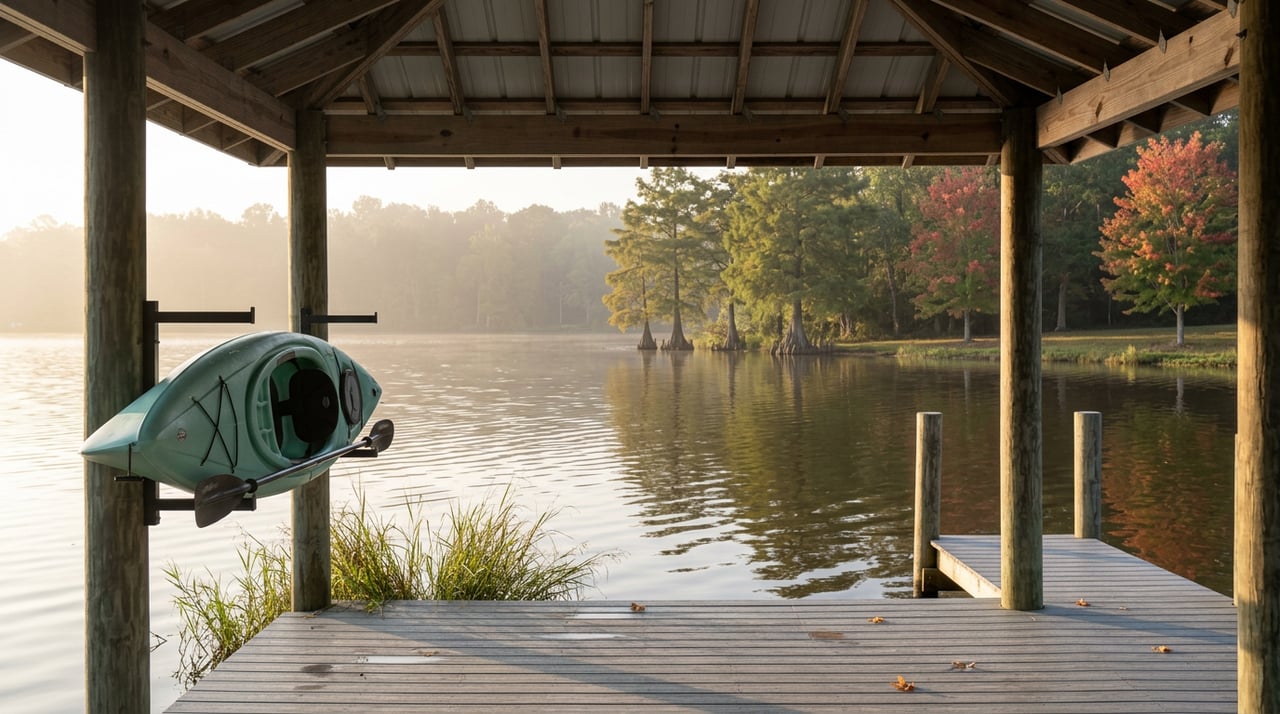
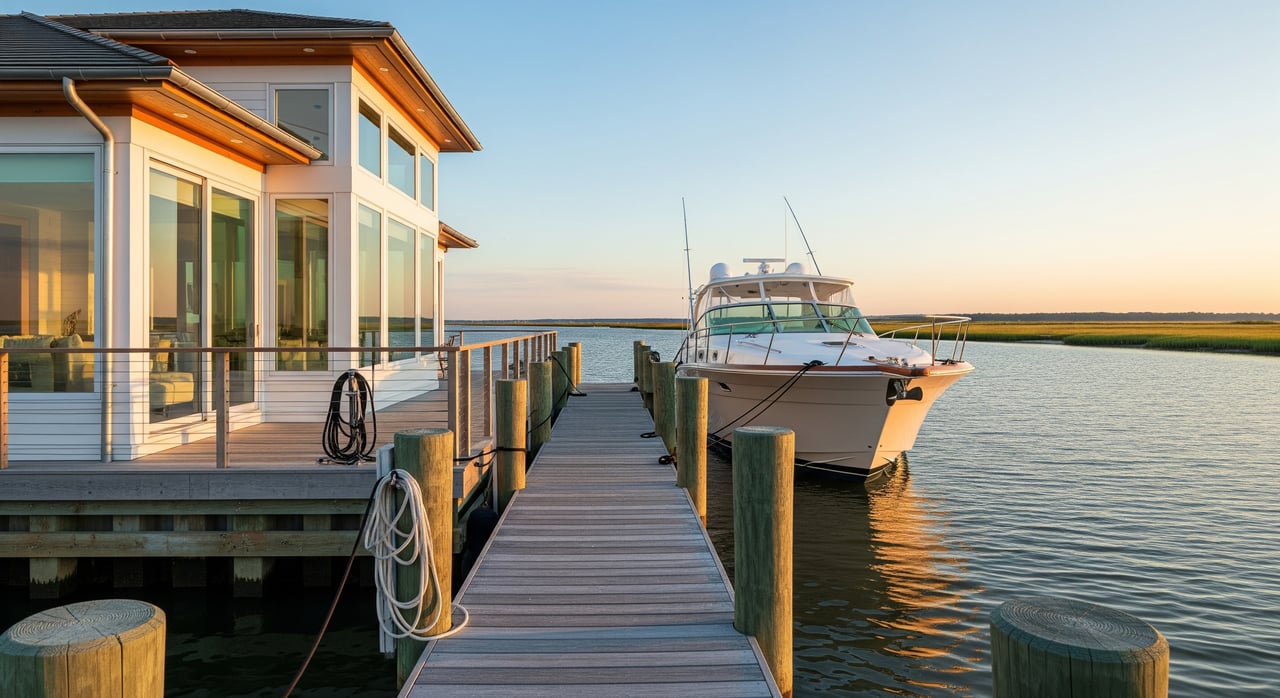
Most waterfront homes here use a bulkhead with a fixed pier and, in some cases, small floating sections. Where frontage allows, you may see pilings with finger piers to create private slips. In denser townhouse or row-home areas, you are more likely to find shared community piers or assigned slips instead of private boathouses.
Nearby services
Basic fueling and light services vary by spot. For haul-out, major repairs, or a wider range of mechanics, many owners use the marinas around Little Creek or larger Hampton Roads facilities. Plan your routine around which services you need most often and how you will reach them by water or road.
East Beach and Ocean View compared
East Beach: quicker bay access
East Beach sits on the spit facing Willoughby Bay and the mouth of the Elizabeth River. You get relatively fast access to Bay channels, which is helpful if you run outside frequently. The trade-off is higher exposure to wind and fetch across the bay, so plan for more wave action on your initial leg.
Ocean View (broader): sheltered options
The larger Ocean View area includes public beaches and fishing spots and offers small-craft access points. Waterfront lots vary. Some single-family homes retain private piers and bulkheads, while condos or duplexes may have shared docks or no direct dock access. Depending on frontage and depth, some properties here require a longer run to marked channels than East Beach or East Ocean View.
Little Creek marinas as your service hub
The Little Creek inlet area functions as a primary service cluster for the neighborhoods on the spit. If your home dock lacks slip depth, haul-out, or fuel, these marinas often fill the gap.
What you get
Typical offerings include wet slips, transient slips for overnight stays, fuel docks, pump-out stations, on-site mechanics, and travel lifts or railways for haul-outs and winterization. Some operations provide dry-stack storage, though size limits and availability vary.
Practical considerations
- Check for slip waitlists and current fees, especially for peak seasons.
- Confirm shore power, water, security, insurance requirements, and haul-out capacity.
- Map the road time from your home to the marina if you plan to keep your boat there full-time.
Plan your boating commute
Your day will be shaped by more than drive time to the house. Think in terms of the minutes from your dock to the Bay, favorite fishing grounds, or your go-to marina services.
Draft, channels, and tides
Decide how much mean low water depth you need at your dock. Some residential slips accommodate only shallow-draft boats at low tide. Verify maintained channel depths and any recent dredging on your route before you buy.
Exposure versus shelter
Inner-harbor locations such as East Ocean View and much of Ocean View generally provide more shelter for small boats. East Beach and bay-facing lots offer faster access to the Chesapeake Bay with more wind and wave exposure. Choose based on your typical runs and comfort level.
Property inspection checklist for docks
Use this list when evaluating waterfront homes so your slip matches your boat and your plans.
- Bulkhead and shoreline: check for erosion, riprap, sheeting condition, and any recent repair permits.
- Pier and pilings: look for rot, marine-borer damage, fastenings, and the condition of ladders, cleats, and fenders.
- Floating sections: confirm float type and buoyancy, and how the system handles tidal range.
- Utilities: identify shore power type (30A or 50A), water spigot, lighting, and hose access.
- Depth: confirm depth alongside the dock at mean low water for your draft.
- Trailer access: evaluate driveway width, street rules for trailers, and proximity to public ramps.
Permits, rights, and insurance basics
Before you plan upgrades or replacements, confirm riparian rights and any easements that affect the pier or bulkhead. Private pier construction, reconstruction, or replacement usually requires state-level permitting, and you should verify whether existing structures are permitted or grandfathered. Check FEMA flood zone designations, which can influence insurance costs and design requirements for shoreline work.
Ramp and trailering logistics
If you will trailer a boat, confirm neighborhood rules for parking and storage. Identify public ramps you plan to use and evaluate how tides and currents affect launch windows. Know your likely launch schedule and how early morning or evening traffic might affect your routine.
Safety, traffic, and seasonal patterns
Norfolk harbor has heavy commercial and naval traffic. Expect to follow marked channels, monitor VHF, and yield to large vessels. Seasonal patterns matter too. Summer brings more recreational traffic, while fall and winter storms can change your go-no go decisions. Keep an eye on local notices for temporary restrictions and dredging work.
How to pick the right spot
Start with your boat’s draft, your usual destinations, and your weather tolerance. If you value maximum shelter and shorter inner-channel runs, East Ocean View and much of Ocean View will suit you. If you want faster access to the Bay and can handle more exposure, East Beach is attractive. For service-heavy needs or larger boats, plan to pair your home with a Little Creek marina slip.
Questions to ask before you buy
- What structures are included with the property and are they permitted?
- When was the last marine inspection of the pier and pilings?
- What is the measured depth alongside the dock at mean low water?
- Who holds riparian rights, and are there HOA rules for pier use?
- Are there restrictions on trailer parking or launching in the neighborhood?
- Where are the nearest pump-out stations, fuel docks, and full-service yards?
- Are any dredging or harbor projects planned that could affect access?
- What is the property’s flood zone and expected insurance impact?
Next steps to verify access
- Review local tide predictions and charts for your intended routes.
- Confirm public ramp and marina listings through state and city resources.
- Speak with the state marine resources office about permits and riparian rights.
- Order a marine structural inspection for piers, pilings, and bulkheads, plus a sounding for depth at mean low water.
- Call nearby marinas about slip availability, haul-out capacity, and service options.
- Monitor local notices from harbor authorities for security zones and temporary restrictions.
Ready to explore East Ocean View?
If you are prioritizing boat access in Norfolk, the right home will line up your draft, your dock, and your routine routes. A targeted search can save you months of trial and error and help you avoid costly surprises on docks, permits, and flood considerations. If you are ready to compare East Ocean View, East Beach, and nearby marina options, connect with Jack Blake for a focused plan and on-the-water guidance.
FAQs
Is East Ocean View good for boat access in Norfolk?
- Yes, it offers short runs to sheltered inner channels with convenient routes toward Willoughby Bay and the Chesapeake Bay, which suits day boating and small craft.
How does mean low water depth affect my boat choice?
- Your draft must clear the measured depth alongside the dock at mean low water, so verify depth with a sounding or survey to avoid grounding at low tide.
What permits are needed to build or repair a pier?
- Private piers and bulkheads typically require state permitting, so confirm that existing structures are permitted and consult authorities before repairs or replacements.
Are Little Creek marinas convenient from East Ocean View homes?
- Yes, they serve as a nearby service hub for fuel, pump-outs, haul-outs, and repairs, which complements homes that lack deep-water slips or on-site services.
What should I ask a seller about a waterfront dock?
- Ask for permits, recent marine inspections, depth at mean low water, and any HOA rules or easements that affect pier use or slip assignments.
How do tides and naval traffic affect trips to the Bay?
- Tidal currents can limit ramp and shallow-water usability, and busy commercial or naval channels require careful navigation and yielding to larger vessels.