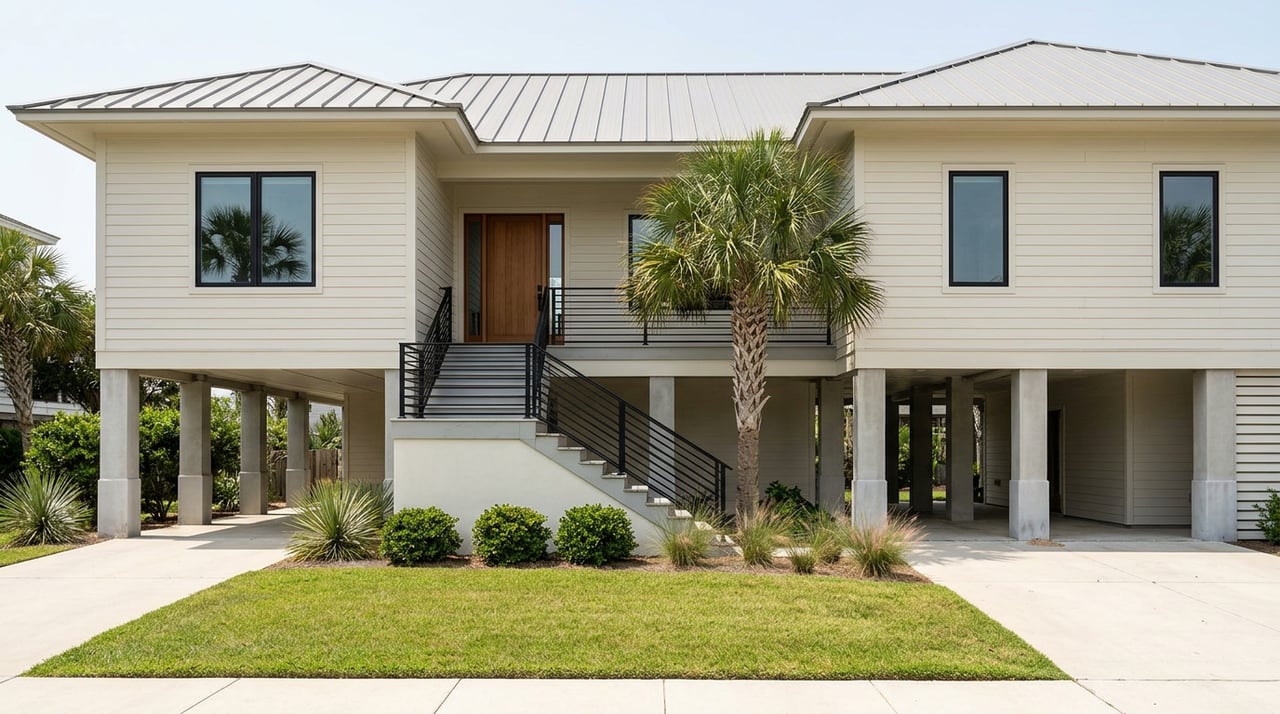
Two homes on the same Norfolk street can sell for very different prices. Water access, flood zone, and condition all play a part, which makes pricing tricky if you rely on averages alone. If you want a number you can defend, you need a Comparative Market Analysis, or CMA. In this guide, you’ll see how a CMA works, how Norfolk’s micro-markets affect value, and how to use the results to price with confidence. Let’s dive in.
CMA basics
A Comparative Market Analysis is a valuation prepared by your real estate agent using recent sales, current listings, and pending deals to estimate a reasonable price range for your home. It is designed to help you set a list price, support an offer, and guide negotiation strategy. A CMA is an estimate, not a guarantee, and it reflects what buyers are paying right now.
What to expect in a CMA
- A curated list of comparables: recent solds, pendings, active competitors, and expired or withdrawn listings.
- Property details and photos for context.
- An adjustments summary that explains key differences, sometimes with a simple grid.
- Price-per-square-foot comparisons and market velocity indicators like days on market.
- A recommended list price range and a pricing strategy tailored to your goals.
CMA vs appraisal
A CMA is market-focused and prepared by a licensed agent. It leans on local knowledge and the most relevant comps. An appraisal is performed by a licensed appraiser under uniform standards and is often required by lenders. The methods are similar, but an appraisal includes more formal documentation and is used for financing. Your CMA helps you make a smart pricing decision before you ever get to the appraisal step.
Picking comps in Norfolk
The right comps are the backbone of a reliable CMA. Agents start with the same property type and move outward carefully.
- Property type match: single-family to single-family, condo to condo, duplex to duplex.
- Geography: same street or neighborhood first, usually within 0.25 to 1 mile based on density.
- Time frame: prioritize the last 3 months in active areas, expand to 6 to 12 months if sales are sparse.
- Physical similarity: bedrooms and baths, living area within about 10 to 20 percent, lot size, age, layout, parking, and condition.
- Status mix: solds for price reality, pendings for demand, actives for competition, expireds to avoid known pricing traps.
Norfolk has distinct micro-markets. Comps should come from the same area when possible because buyer expectations and price points shift between neighborhoods like Ghent, East Beach, Larchmont, Ocean View, Willoughby, Downtown/Waterside, and West Freemason.
Adjustments that matter here
Exact matches are rare. Your agent explains adjustments for differences such as an extra bath, smaller lot, no garage, or updated kitchen. In Norfolk, common adjustments also include water access versus view only, flood zone and elevation, bulkhead or shoreline condition, and HOA or condo fees for downtown and waterfront buildings.
Norfolk factors that change value
Waterfront and water type
Water drives value in Norfolk, but the details matter. Direct water access with docking or riparian rights typically commands a premium compared to a similar home with a view only. The type of water is important too. Open Chesapeake Bay exposure does not behave the same as a protected canal or tidal cove. Also consider bulkhead, pier, or seawall condition. A recent repair can be a positive; a failing shoreline structure can reduce value.
Flood zones and elevation
Norfolk experiences tidal flooding in some areas, and long-term sea-level-rise concerns are part of buyer due diligence. Flood zone and elevation affect insurance requirements and perceived risk. Homes with higher elevation or an elevation certificate can see stronger offers because insurance costs may be lower. A strong CMA filters comps by flood zone where possible and discloses mitigation, such as raised systems or flood vents.
Condition and renovations
Turnkey homes with updated kitchens and baths, newer roofs, and efficient HVAC systems often sell for a premium within the same neighborhood. Cosmetic fixers or homes with significant deferred maintenance trade at a discount. A good CMA compares like to like and uses realistic cost-to-cure estimates when upgrades are not aligned.
Lot, parking, and noise
Usable outdoor space adds value, especially in denser neighborhoods. Off-street parking or a garage can be a meaningful premium in urban pockets. Proximity to major corridors can impact price if noise or traffic is a factor.
Historic districts and condo factors
In historic areas such as parts of Ghent and West Freemason, designation can add appeal while bringing renovation rules that affect cost and timing. Downtown and waterfront condos require careful comp selection that includes HOA dues, amenities, and reserve strength. Higher monthly fees can reduce the price buyers are willing to pay.
Access to jobs and rental demand
Proximity to employment centers like Naval Station Norfolk, downtown, hospitals, and Old Dominion University influences demand. Some neighborhoods show higher investor activity, which can change days on market or the percentage of cash offers. A thoughtful CMA separates investor-driven sales if your target buyer is likely owner-occupant.
From CMA to price and strategy
Your CMA should present a market value range that reflects what similar homes are achieving today. From there, your list price depends on your goals and local velocity.
- Price to spark activity: list slightly below the midpoint to attract multiple offers in low-supply pockets.
- Price at market: list near the middle of the range to secure fair offers without leaving money on the table.
- Price optimistically: list near the high end if you can wait and momentum supports it. This is less common where competition is tight.
How Jack prepares your CMA
- Walk-through and documentation: condition, upgrades, roof and HVAC age, lot details, flood elevation, and shoreline structures.
- MLS research: solds for proof, pendings for demand, actives for competition, expireds to avoid missteps.
- Micro-market focus: start with your neighborhood. Expand in distance or time only if necessary and explain why.
- Thoughtful adjustments: size, beds and baths, lot and parking, water access, condition, and flood risk. Local judgment beats generic rules.
- Price-per-square-foot analysis plus a seller net sheet that estimates closing costs, taxes, and transfer costs common to Norfolk.
- Strategy with sensitivity checks: how interest rate changes or a new comp could shift the plan.
- Transparent disclosures: flood zone and elevation, HOA or historic rules, and any known maintenance or termite history.
What you can do before the CMA
- Gather documents: elevation certificate, permits, HOA or condo documents, recent service records, and any shoreline or bulkhead reports.
- List upgrades with dates and warranties, plus any known repairs or estimates.
- Improve presentation: address simple fixes, declutter, and note any items that convey, such as docks or lifts.
How buyers use a CMA in Norfolk
- Confirm an offer price is justified by recent sales in the same micro-market.
- Gauge urgency by reviewing active competitors and pending listings.
- Ask for adjustments tied to flood insurance, expected repairs, and, if relevant, rental comps.
When a CMA is less precise
A CMA is strongest when there are multiple, recent, close comps. It becomes less precise with custom waterfront estates, very thin markets, rapid shifts in rates or demand, or properties with unique legal encumbrances. In these cases, expect a wider range and a strategy that adapts as new data appears.
Ready to price with confidence
A Norfolk CMA, done right, gives you a clear, defensible path to market. It translates neighborhood trends, water and flood details, and condition into a price range you can stand behind. If you want a pricing plan that anticipates the appraisal and sets you up to win the negotiation, connect with a local expert who builds CMAs for outcomes, not guesses.
Have questions or want a no-pressure valuation conversation? Reach out to Jack Blake for a precise CMA and strategy tailored to your Norfolk home.
FAQs
How many comps should a Norfolk CMA include?
- Aim for 3 to 6 recent sold comps, plus 2 to 4 actives and pendings for context, focusing on quality over quantity.
How recent should comps be for Norfolk pricing?
- Use the last 3 months in active areas, and expand to 6 to 12 months when sales are limited while weighting the most recent the heaviest.
How do flood zones affect Norfolk home prices?
- Higher-risk zones can reduce buyer pools and raise insurance costs, while higher elevation and mitigation steps can help support stronger prices.
Can I use comps from outside my neighborhood?
- Yes, if local sales are scarce, but expect more uncertainty and choose areas with similar age, water access, lot type, and character.
How do big upgrades show up in a CMA?
- Upgrades add value when buyers in that micro-market expect and will pay for them, so comps should match the level of finish where possible.
Is price per square foot reliable in Norfolk?
- Use it as a guide only and pair it with condition, lot, floor plan, flood risk, and water access, which can all shift value significantly.
What should I receive with my CMA packet?
- A comp list with photos and dates, adjustment explanations, a price-per-square-foot sheet, a seller net sheet, and flood zone or elevation details.
What is the difference between a CMA and an appraisal for sellers?
- A CMA sets a market-informed list price, while an appraisal is lender-focused and confirms value for financing using formal standards.